


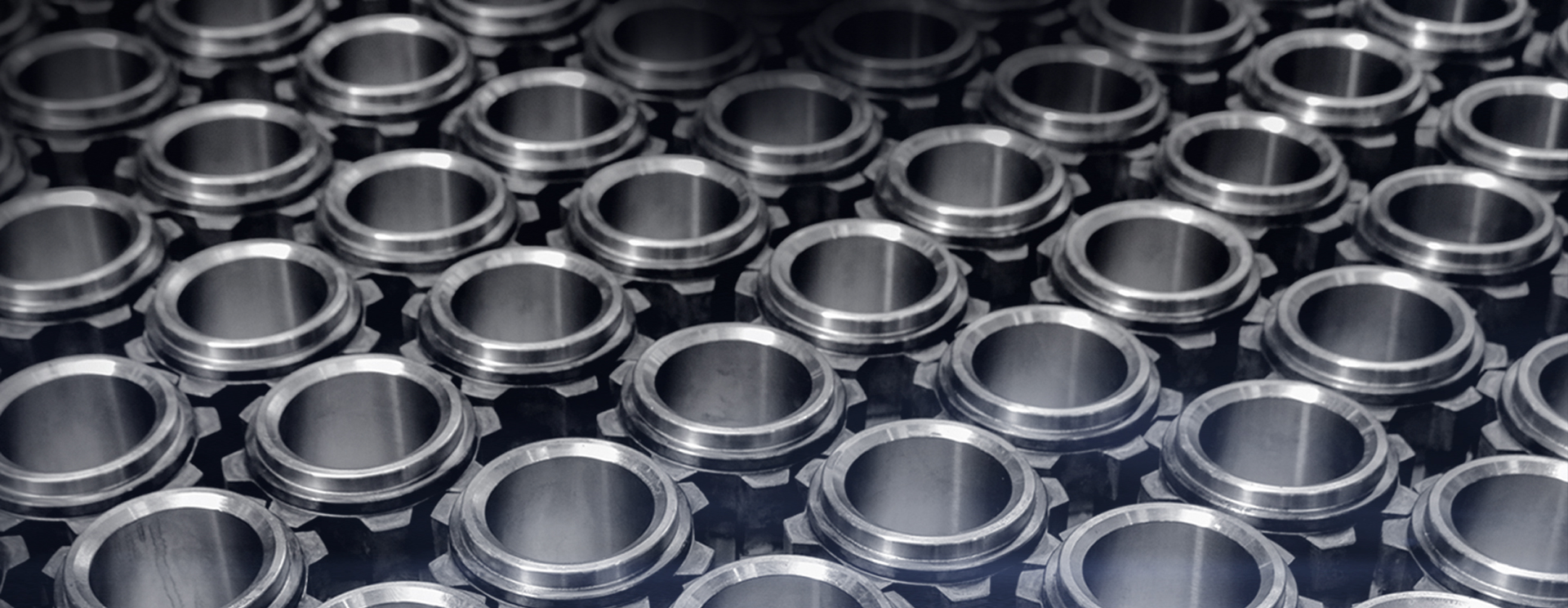
The clutch system is a remarkably intricate mechanism that ensures the smooth transfer of engine power to the transmission. One of the crucial components for the effective operation of this system is the clutch release bearing. This bearing, often overlooked but integral to the system, directly impacts driving comfort and performance. Especially in heavy and light commercial vehicles, a properly functioning bearing system ensures smooth gear shifts even under high torque. So, what exactly does a clutch release bearing mean, and how can symptoms of a fault be detected?
What is a Clutch Release Bearing?
The clutch release bearing (also known as the pressure bearing) is the component that applies force to the pressure fingers and disengages the pressure plate when the clutch pedal is depressed. The bearing softens the rotational force that occurs during this movement and reduces friction between components, helping to reduce system wear.
Dönmez Clutch manufactures push-pull mechanical, hydraulic, and pneumatic clutch bearings. Our products offer the advantages of high-quality steel, heat resistance, and long-term use.
How to Identify Clutch Bearing Failure?
Failures in the clutch bearing usually manifest themselves through certain noticeable signals while driving. Correctly assessing these signs is crucial for taking preventative measures before more serious problems occur.
A Humming or Grinding Noise When the Clutch is Pressed
– A high-pitched noise or humming noise when the clutch pedal is pressed may indicate that the bearing is having difficulty rotating and that the inner races are worn.
Difficulty or Stuckness in Gear Shifts
– When the bearing is not functioning properly, the pressure plate does not release properly, making gear shifting difficult. This negatively impacts driving comfort, especially during stop-and-go conditions.
Pedal Stiffness or Numbness
– If the clutch pedal feels unusually tight or unresponsive, the bearing may be seized or damaged.
Vibration and Vibration
– A faulty bearing can cause vibrations because it cannot properly handle the force generated by the engine’s rotation. This negatively impacts the timing and disc system over time.
Inconsistent Clutch Pedal Response
– Irregular response when the pedal is pressed can indicate a bearing failure, especially in hydraulic systems.
Why Is It Important?
While the clutch release bearing may seem like a small component, it plays a critical role in the smooth operation of the entire clutch mechanism. A faulty release bearing not only makes shifting difficult but can also cause cascading damage to costly components like the pressure plate, clutch disc, and transmission. Therefore, if you notice even the slightest symptom, we recommend professional inspection and replacement of parts if necessary.
Long-Lasting Bearings with Dönmez Clutch Guarantee
At Dönmez Clutch, the bearing systems we develop specifically for heavy and light commercial vehicles are manufactured using high-quality steel. Thanks to our flexible production capacity, we offer solutions that can be adapted to different vehicle types, making us a reliable choice in the industry.
If you notice the symptoms mentioned above in your vehicle, having the bearing system checked and replaced with a quality product is crucial for both your safety and the life of your vehicle.
What is a Clutch Release Bearing?
The clutch release bearing (also known as the pressure bearing) is the component that applies force to the pressure fingers and disengages the pressure plate when the clutch pedal is depressed. The bearing softens the rotational force that occurs during this movement and reduces friction between components, helping to reduce system wear.
Dönmez Clutch manufactures push-pull mechanical, hydraulic, and pneumatic clutch bearings. Our products offer the advantages of high-quality steel, heat resistance, and long-term use.
How to Identify Clutch Bearing Failure?
Failures in the clutch bearing usually manifest themselves through certain noticeable signals while driving. Correctly assessing these signs is crucial for taking preventative measures before more serious problems occur.
A Humming or Grinding Noise When the Clutch is Pressed
– A high-pitched noise or humming noise when the clutch pedal is pressed may indicate that the bearing is having difficulty rotating and that the inner races are worn.
Difficulty or Stuckness in Gear Shifts
– When the bearing is not functioning properly, the pressure plate does not release properly, making gear shifting difficult. This negatively impacts driving comfort, especially during stop-and-go conditions.
Pedal Stiffness or Numbness
– If the clutch pedal feels unusually tight or unresponsive, the bearing may be seized or damaged.
Vibration and Vibration
– A faulty bearing can cause vibrations because it cannot properly handle the force generated by the engine’s rotation. This negatively impacts the timing and disc system over time.
Inconsistent Clutch Pedal Response
– Irregular response when the pedal is pressed can indicate a bearing failure, especially in hydraulic systems.
Why Is It Important?
While the clutch release bearing may seem like a small component, it plays a critical role in the smooth operation of the entire clutch mechanism. A faulty release bearing not only makes shifting difficult but can also cause cascading damage to costly components like the pressure plate, clutch disc, and transmission. Therefore, if you notice even the slightest symptom, we recommend professional inspection and replacement of parts if necessary.
Long-Lasting Bearings with Dönmez Clutch Guarantee
At Dönmez Clutch, the bearing systems we develop specifically for heavy and light commercial vehicles are manufactured using high-quality steel. Thanks to our flexible production capacity, we offer solutions that can be adapted to different vehicle types, making us a reliable choice in the industry.
If you notice the symptoms mentioned above in your vehicle, having the bearing system checked and replaced with a quality product is crucial for both your safety and the life of your vehicle.